
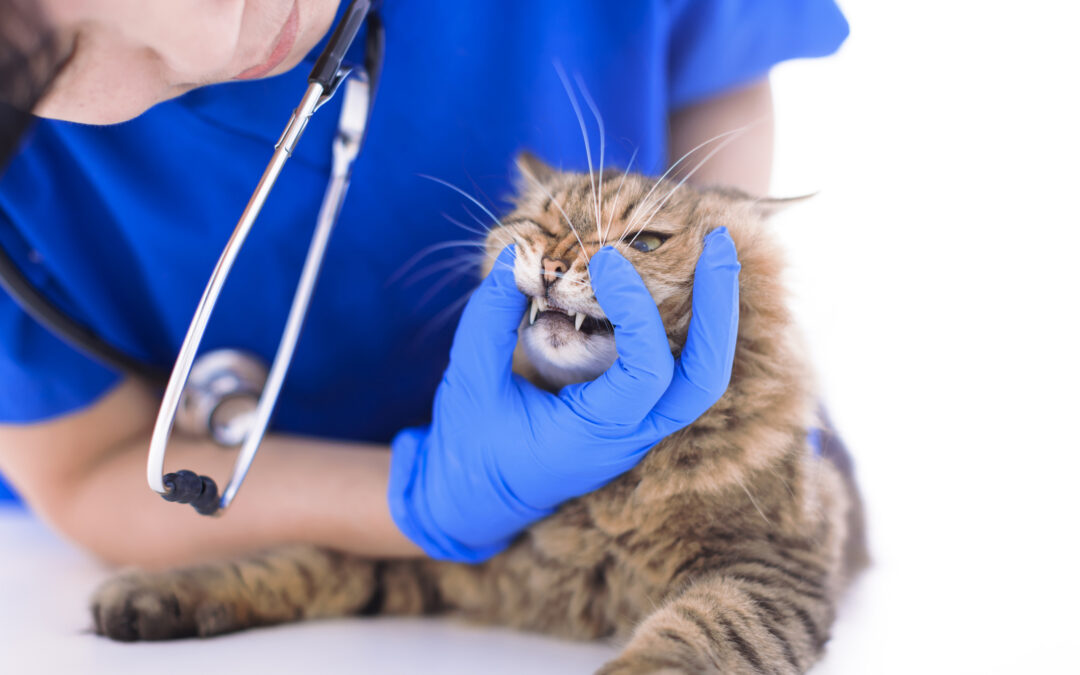
Dogs and cats share many of the same dental risks, but they don’t always show discomfort in the same way.
A dog with oral pain might suddenly stop chewing a favorite toy or begin favoring one side of the mouth. A cat may continue eating while quietly changing how they chew, swallowing food with less effort, or becoming less interested in hard kibble.
That difference is one reason pet dental care shouldn’t depend on waiting for an obvious problem.
Preventive dental care is about recognizing that oral disease often begins long before a pet clearly acts painful. Routine attention to the teeth and gums can help identify early changes, reduce plaque and tartar accumulation, and address dental concerns before they become more complex.
For pet owners in Maple Grove, MN, the most useful dental routine isn’t necessarily the most complicated one. It’s one that helps you know what is normal for your pet and when something has changed.
Pet Oral Health Looks Different in Dogs and Cats
Dogs and cats can both develop plaque, tartar, gingivitis, periodontal disease, fractured teeth, and painful oral infections.
But the warning signs may look different.
Dogs may show changes such as:
- Chewing on one side
- Dropping toys
- Avoiding hard treats
- Increased drooling
- Pawing at the mouth
- Stronger breath
- Slower eating
Cats may be more subtle.
A cat may:
- Approach food but hesitate
- Prefer softer textures
- Drop pieces of kibble
- Swallow food without much chewing
- Groom less frequently
- Become irritable when touched around the face
- Eat less without completely refusing food
Because cats are especially good at masking discomfort, changes in routine may provide more information than appetite alone.
Knowing what is typical for your own pet makes those differences easier to spot.
Why Pet Dentistry Should Start Before Teeth Look “Bad”
Owners often judge dental health by what they can see.
If the front teeth look relatively clean, it’s easy to assume the mouth is healthy.
Unfortunately, visible tartar is only one piece of the picture.
Professional pet dentistry looks beyond the appearance of the tooth surface. Problems can develop around the gumline, between teeth, and beneath visible structures.
A pet may have gum inflammation, periodontal pockets, a fractured tooth, or another painful problem without displaying dramatic symptoms.
That’s why waiting for teeth to look severely discolored or damaged isn’t the best benchmark for deciding when oral health deserves attention.
The more useful question is whether the mouth is changing.
Dogs and Cats Need Different Home Dental Strategies
Home care works best when it fits the pet.
A cooperative dog may tolerate toothbrushing quickly. A cat may require much slower introduction to mouth handling. Some pets accept dental products easily, while others resist anything unfamiliar.
Rather than forcing the same routine on every animal, owners can work toward a sustainable approach.
For dogs, that may include:
- Toothbrushing
- Appropriate dental chews
- Veterinary-recommended oral products
- Monitoring chewing behavior
For cats, success may depend more on:
- Gradual handling around the face and lips
- Short brushing sessions
- Pet-safe toothpaste with an appealing flavor
- Monitoring food preferences and grooming behavior
Consistency matters more than perfection.
A brief routine performed regularly can be more useful than an ambitious plan that becomes impossible to maintain.
When Pet Dental Cleaning Becomes Necessary
Home care can reduce plaque, but it cannot remove tartar once it has firmly hardened onto the teeth.
That’s when a professional pet dental cleaning may be recommended.
Cleaning allows the veterinary team to remove buildup from areas owners cannot effectively reach at home and to evaluate the mouth more thoroughly.
This is important because professional cleaning is not simply about improving breath or making teeth look better.
Its value comes from controlling the buildup associated with periodontal disease and identifying other problems that may need attention.
For owners considering pet dental cleaning in Maple Grove, MN, timing should be based on the individual pet’s oral condition rather than age alone.
Some pets develop dental disease earlier than others.
Dental Disease Can Change How a Pet Uses Their Mouth
One practical way to think about oral health is to watch function, not just appearance.
Ask yourself:
- Is my pet chewing normally?
- Are they still interested in toys?
- Has their preferred food texture changed?
- Are they eating more slowly?
- Are they dropping food?
- Do they pull away when touched near the mouth?
- Has grooming changed?
- Has their breath become noticeably stronger?
These questions can reveal changes that aren’t immediately visible.
A dog that suddenly abandons hard toys may be communicating discomfort. A cat that starts leaving dry food behind but eagerly eats canned food may also be telling you something.
Those details can be useful to share with a veterinarian.
Veterinary Dentistry in Maple Grove, MN Should Be Personalized
There isn’t one ideal dental schedule for every dog and cat.
Breed, tooth alignment, age, previous dental disease, home-care routine, diet, and individual anatomy can all influence oral health.
That means veterinary dentistry in Maple Grove, MN is most useful when recommendations reflect the individual animal.
Useful questions for pet owners include:
- How much plaque or tartar is present?
- Are the gums healthy?
- Is there evidence of discomfort?
- Are any teeth damaged?
- Is a professional cleaning recommended?
- Does my current home routine need to change?
- What signs should I monitor before the next visit?
Those questions help turn dental care into a practical plan rather than a generic schedule.
Pet Dental Surgery Addresses Problems Prevention Cannot Reverse
Preventive care can reduce risk, but it cannot guarantee that every tooth remains healthy forever.
A tooth may fracture. Infection may develop. Periodontal disease may become advanced. In those situations, pet dental surgery or extraction may be necessary.
The purpose is not simply to remove an imperfect tooth.
It is to address a source of disease or pain.
Owners sometimes hesitate when extraction is recommended because they worry their pet will struggle to eat afterward. In many cases, dogs and cats adapt well once a painful tooth is appropriately treated.
Comfort is more valuable than preserving a tooth that is no longer healthy.
Pet Wellness Exams Can Provide an Early Dental Checkpoint
Pet wellness exams are not a substitute for complete dental evaluation or treatment.
They can, however, provide an opportunity to notice visible oral changes.
During an examination, a veterinarian may see:
- New tartar
- Red or swollen gums
- Broken teeth
- Abnormal wear
- Loose teeth
- Changes in oral tissues
That information can help determine whether closer dental evaluation is appropriate. Routine exams can also help identify health changes that may develop before obvious symptoms appear.
For pet owners, these visits are also a good opportunity to mention changes that may not seem obviously dental, such as slower eating, altered chewing, or new resistance to mouth handling.
Vet Services Can Support Dental Health Through Different Life Stages
A puppy or kitten doesn’t have the same oral health needs as a senior pet.
Young animals may need monitoring as adult teeth emerge. Adult dogs and cats may gradually accumulate plaque and tartar. Older pets may have a history of previous dental disease, extractions, or chronic oral concerns.
Appropriate vet services can help owners adjust oral care as those needs change.
For families looking for vets in Maple Grove, MN, sharing previous dental history can be especially useful.
If your pet has already had a professional cleaning, extraction, fractured tooth, or recurring gum inflammation, that history can help guide future decisions.
Try a Monthly “Mouth and Behavior” Check
Instead of looking only at the teeth, combine a quick mouth check with a behavior check.
Once a month, notice:
Mouth
- Breath
- Gum color
- Tartar
- Broken or discolored teeth
- Drooling
Behavior
- Chewing style
- Food preferences
- Interest in toys
- Grooming
- Sensitivity around the face
This takes only a few minutes but can make gradual changes easier to recognize.
You don’t need to diagnose the problem.
Your job is simply to notice when your pet is no longer behaving like themselves.
Protect Their Oral Health at WellHaven Pet Health Maple Grove
Dogs and cats may experience dental disease differently, but both benefit from having oral health monitored before discomfort becomes obvious.
At WellHaven Pet Health Maple Grove, we help pet owners in Maple Grove, MN build practical pet dental care plans based on each animal’s age, oral health, history, behavior, and individual needs. Our team can evaluate visible changes, discuss home-care strategies, and determine when professional cleaning or additional treatment may be appropriate.
If you’ve noticed bad breath, tartar, chewing changes, food preferences shifting, or other changes around your pet’s mouth, schedule a dental appointment with WellHaven Pet Health Maple Grove. Addressing the change early can help protect your pet’s comfort and reduce the chance that a manageable dental concern becomes more advanced.